
Master Key Systems
Master Key Systems Locksmith in Sacramento
One key for the manager, one door for each tenant. We map the key hierarchy on paper first, so the system can grow without rekeying the building.
CALL NOW: (530) 298-2899
A property manager carrying a ring of forty keys, a tenant who can open the supply closet, an office where nobody is sure which key goes to the server room. These are signs a building has outgrown simple keys. A master key system fixes that, but only if it’s designed carefully before anyone starts cutting.
Flat Price Locksmith is a Sacramento locksmith company that builds master key systems for offices, apartment buildings, and other properties where different people need different access. Our approach is process first: we map who needs to open what, design the key hierarchy on paper, plan room for growth, and only then rekey and cut. This page walks through each step so you know what goes into a system that lasts.
What a Master Key System Is
A master key system arranges your locks and keys in levels. At the bottom, each door or unit has its own individual key, often called a change key, which opens only that lock. Above that, a sub-master key can open a group of doors, such as one floor or one department. At the top, a master key opens every lock in the system. Large properties may add one more level above that.
The point is control. The cleaning crew can reach the common areas, a tenant can reach only their unit, and the building manager can reach everything, all without anyone carrying more keys than they need.
How We Design and Build Your System
Every system we build goes through the same four steps, in the same order. Skipping ahead is how key systems end up with problems nobody can undo.
Step 1: Map who needs access to what
Before we think about pins or cylinders, we think about people. We work through questions like these with you:
- Who needs to open every door, and who truly needs that?
- Which groups share access: a floor, a department, maintenance, cleaning staff?
- Which doors should almost no one open, such as a server room, records room, or electrical closet?
- Which doors are shared by everyone, like the front entrance or a mail room?
The result is a simple access map: a list of doors, a list of roles, and which roles open which doors. It’s the foundation for everything that follows, and getting it right is worth more than any piece of hardware.

Step 2: Design the hierarchy before anything is cut
With the access map done, we design the key hierarchy: how many levels, which groups sit under which master, and how each lock will be keyed to fit. We do this before cutting a single key, because the design determines what the system can and can’t do for the rest of its life.
A system that is cut first and figured out later tends to create problems. Keys end up opening doors they shouldn’t, groups can’t be separated later, and there is no record of what was done. Designing it on paper first prevents all of that, and it leaves a record to check against every time a key is issued or a lock changes.
Step 3: Plan for growth
One of the worst failures in a master key system isn’t a broken lock. It’s a system with no room left. A building adds a suite, a complex adds a unit, an office expands into the space next door, and the original design has nowhere to put the new doors. At that point the only option is rekeying the whole building.
We design with spare capacity from the start. If you tell us an office may take over another floor, or a property has space for more units, we reserve room in the hierarchy for them. When that day comes, the new doors are keyed into the existing plan in a single visit, and everyone keeps the keys they already have.
Step 4: Rekey, cut, and check
Once the design is set, the physical work begins. Existing cylinders that are in good shape are rekeyed to the new system. Hardware that is worn out, damaged, or can’t support the design is identified and replaced. If you need new locks as part of the project, our lock installation and repair service covers that work.
Keys are then cut to the plan and checked against the doors. That means each key is tried in the locks it is supposed to open, and just as important, in locks it isn’t supposed to open. A master key system is only as good as its boundaries.
Key Control After We Leave
A master key system depends on how keys are handled once it’s in place. A few habits keep it secure:
- Keep master keys to as few people as possible. Every copy of a top-level key is a copy of access to the whole building.
- Keep a key log. Record who holds each key, when it was issued, and when it came back.
- Collect keys when people leave. Make returning keys part of every move-out or last day.
- Store spares securely. A spare master key in an unlocked desk drawer undoes the whole design.
- Act quickly on lost keys. A lost individual key affects one door. A lost master key affects every door beneath it.

Common Problems in Older Key Systems
Many buildings already have some kind of master key setup, built up piece by piece over the years. Systems that grew that way tend to share the same problems:
- No records. Nobody has a chart of which key opens which door, so every change is guesswork.
- Too many masters. Copies of the top key were handed out over time, and nobody knows how many exist.
- Groups that overlap. A key meant for one floor also opens doors on another, because the system was extended without a plan.
- No room left. The original layout used every option it had, so new doors can’t be added without affecting old ones.
- Mixed hardware. Some doors were replaced with locks that don’t fit the system, so they run on their own separate keys.
Some of these can be corrected by rekeying part of the building into a new design. Others mean the cleanest path is to start the hierarchy over. We’ll tell you which situation you’re in and price it before any work begins.
Master Keying, Keyed Alike, and Simple Rekeying
Not every property needs a master key system. If a homeowner just wants every exterior door on one key, that’s keyed alike, and rekeying the existing locks handles it in one visit. A master key system makes sense when different people need different access and someone still needs to open everything.
On the commercial side, a master key system often sits alongside other work, like repairing panic bars, adjusting closers, or servicing storefront cylinders. That hardware is covered on our commercial locksmith page.
Properties Where Master Keys Make Sense
Master key systems suit properties with many doors and many people. Think of the office parks along the US-50 corridor in Rancho Cordova, apartment communities in Arden-Arcade, and business parks and multi-tenant buildings in Folsom. The same planning applies to a two-story office near Downtown Sacramento or a small medical building in Natomas. For other communities we serve, see our full service area.
Before We Talk: What to Gather
A little preparation makes the design conversation easier and the price more accurate:
- A door count. Include entrances, suites or units, storage rooms, mechanical and electrical rooms, and any gates.
- A simple floor plan or list. Even a hand sketch with door numbers helps.
- The roles in the building. Owner, manager, maintenance, cleaning staff, tenants, departments.
- Doors that need extra restriction. Records, server rooms, cash handling, medication storage.
- Your plans. Any expansion, new units, or reconfiguration you expect in the next few years.
- The current hardware. Knowing the kinds of locks on the doors helps us judge what can be rekeyed.
With that in hand, we give you the price for the project before work begins.
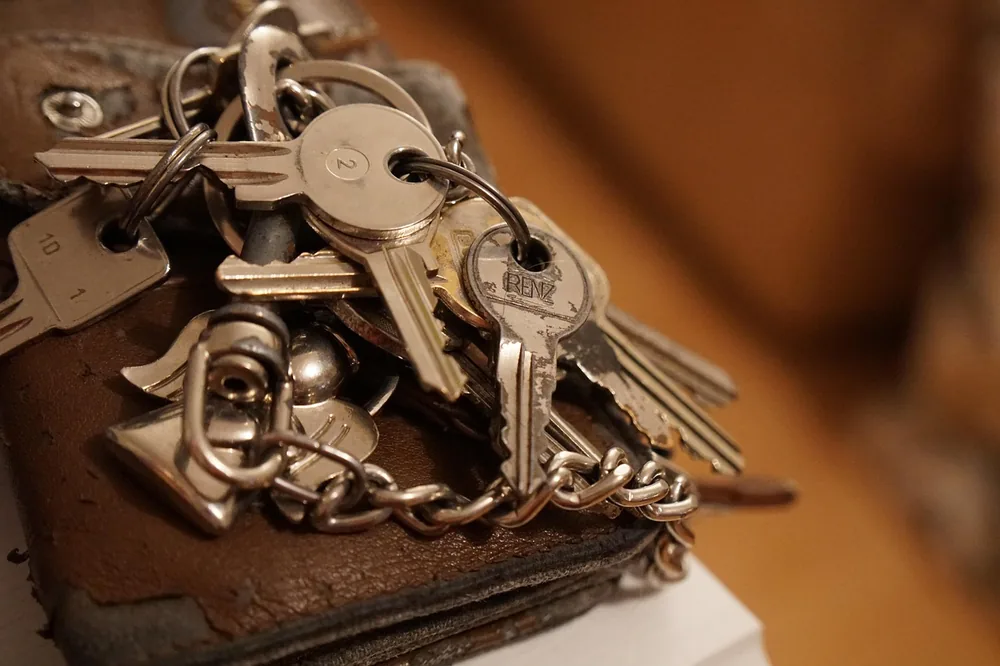
One Key for the Manager, One Door for Everyone Else
A master key system only works long-term if the hierarchy is mapped out before the first cylinder is cut. We design that structure first, whether it's an apartment building or a small office building, so a new tenant or a new suite later means one visit instead of rekeying the whole property. It's a different job from installing a single lock, and the planning is most of the work.
What This Covers
- Access mapping: who needs to open which doors
- A written key hierarchy designed before any key is cut
- Room built into the design for future suites, units, or doors
- Rekeying existing cylinders to the new system where the hardware allows
- Master, sub-master, and individual keys cut to the plan
- Keys checked against the doors they should and should not open
- $29 trip fee, with the price given before work starts
How Our Master Key Systems Service Works
Step 1
Map the Property
We start by understanding who needs access to what, from a single tenant to full management access.
Step 2
Hierarchy Built First
The key structure is designed on paper before a single cylinder is cut, so it holds up later.
Step 3
Ready to Grow
A new suite or a new tenant later means fitting into the existing plan, not rekeying the building.
Frequently Asked Questions
How many levels does a master key system need?
As few as will do the job. A small office may only need individual keys and one master. A larger building might add a level for each floor, wing, or department. Every extra level adds complexity, so we only add one when there is a real group of doors to control.
Can a master key system use the locks we already have?
Often, yes. Many existing cylinders can be rekeyed into a new system. Hardware that is badly worn, damaged, or a poor fit for the design may need replacing, and we will tell you which doors fall into that group before any work starts.
What happens if someone loses a master key?
Every door that key opens is exposed until the affected locks are changed. The higher the key sits in the hierarchy, the more doors are involved. That is why master keys should go to as few people as possible, and why we plan the system so a lost key can be dealt with in sections.
Can we add doors or units later without rekeying everything?
Yes, if the system was designed with room to grow. We plan spare capacity into the hierarchy from the start, so adding a suite later means keying the new doors into the existing plan rather than starting over.
Is a master key system less secure than giving every door its own key?
It is a tradeoff. You gain convenience and control, and you accept that a master key is valuable and has to be guarded. A well-designed system with tight key control is usually more secure in practice than a building full of unrelated keys nobody is tracking.
Is master keying the same as having all our locks keyed alike?
No. Keyed alike means one key opens every lock, and everyone who holds that key has the same access. A master key system gives different people different access, while still letting a manager open everything with one key.
What information do you need to price a master key system?
The number of doors, the kinds of locks on them, and a rough idea of who needs access to what. If you know you'll add units or offices later, tell us that too. With those details, we can plan the work before we start.
Master Key Systems Availability Across Sacramento
Sacramento and all of Sacramento County